
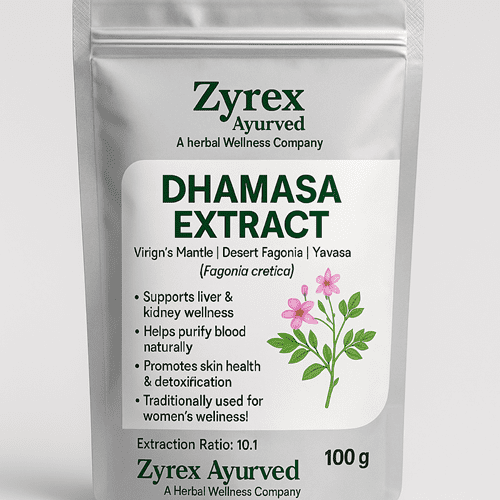
Description
Evidence for potential anti-cancer effects
Early-stage scientific studies have identified anti-cancerous properties of dhamsa extracts, primarily in cell culture and animal models:
- Induces apoptosis: Laboratory research on various cancer cell lines (such as lung, breast, and oral cancer) indicates that extracts from Fagonia species can trigger apoptosis, the process of programmed cell death.
- Inhibits cancer growth: An in vitro (cell culture) study showed that Fagonia cretica extracts demonstrated cytotoxic (toxic to cells) and anti-tumor activity against certain cancer cell lines.
- Inhibits colon cancer: A study on colon cancer cells found that an extract of Fagonia indica (a related species) reduced cell viability and inhibited pathways related to cell proliferation and inflammation.
- Blocks tumor induction: Research using potato disc assays found that extracts of Fagonia cretica inhibited tumor induction.
Traditional and anecdotal claims
In traditional medicine systems, such as Ayurveda and Unani, dhamsa has been used for centuries to treat various ailments, with traditional practitioners claiming it can also address cancerous growth. These traditional applications include:
- Anti-cancerous properties: Some sources claim that the flowers and leaves of dhamsa have anti-cancer properties and have been traditionally used for various cancers, including breast, lung, liver, and skin cancers.
- Blood purifier: In traditional practice, the herb is considered a blood purifier that can help dissolve blood clots.

Reviews