Description
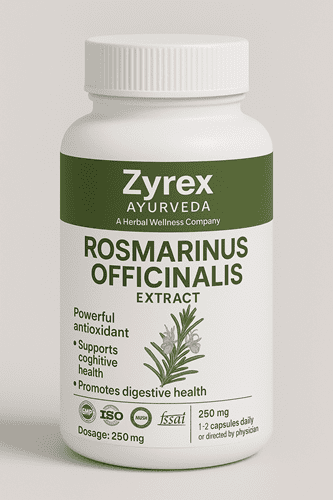
osmarinus officinalis extract, commonly known as rosemary extract, is a derivative of the leaves of the rosemary plant, native to the Mediterranean region. It is widely used in cosmetics, food products, and dietary supplements due to its potent antioxidant, antimicrobial, and anti-inflammatory properties.
Key components
The properties of Rosmarinus officinalis extract come from its rich profile of bioactive compounds, which can vary depending on the plant’s origin and extraction method. Some of its key components include:
- Carnosic acid and carnosol: These are two of the primary diterpene compounds and are responsible for much of the extract’s antioxidant activity.
- Rosmarinic acid: A polyphenol with strong antioxidant, anti-inflammatory, and antimicrobial effects.
- Flavonoids: Including genkwanin, cirsimaritin, and hesperidin, which also contribute to its antioxidant capabilities.
- Essential oils: Although often “de-oiled” for cosmetic applications to reduce the risk of skin sensitivity, rosemary extract contains monoterpenes like 1,8-cineole and α-pinene.
Common usesRosmarinus officinalis extract has a variety of applications due to its protective and stabilizing effects.In personal care- Skin care: The extract is a potent antioxidant that helps protect skin from environmental stressors and reduce signs of aging. It also has anti-inflammatory and antimicrobial properties, making it beneficial for acne-prone or irritated skin.
- Hair care: It is known to stimulate blood circulation in the scalp, which can help promote hair growth and combat hair loss. Its antimicrobial and antifungal properties may also help with dandruff and other scalp conditions.

Reviews