Description
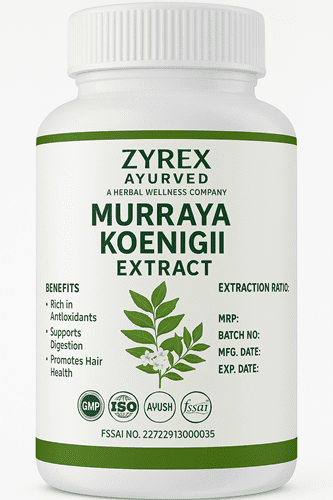
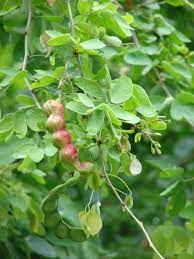
Murraya koenigii extract is derived from the aromatic leaves of the curry tree, a plant widely used in South Asian cuisine and traditional medicine. The extract is valued for its rich concentration of bioactive compounds, particularly carbazole alkaloids, which are responsible for its numerous health properties. It is available as a powder or liquid and is used in the nutraceutical, pharmaceutical, food, and cosmetic industries.
Active compounds
The pharmacological properties of Murraya koenigii extract come from its diverse phytochemicals, including:
- Carbazole alkaloids: These are the most studied compounds and include mahanimbine, murrayanine, koenigine, and girinimbine. They are associated with the plant’s antioxidant, anti-inflammatory, and anti-cancer effects.
- Essential oils: Give the leaves their distinct aroma and include compounds like caryophyllene and phellandrene.
- Flavonoids: Act as antioxidants and contribute to the plant’s anti-inflammatory properties.
- Vitamins: The leaves are a good source of vitamins C, A, and E.
-
Health benefitsResearch on Murraya koenigii extract suggests a range of potential health benefits, many of which are supported by traditional Ayurvedic practices:
- Antioxidant effects: The extract fights oxidative stress by neutralizing free radicals, which can help protect the body’s cells and tissues from damage.
- Anti-inflammatory properties: Animal studies have shown the extract can reduce inflammation, with effects comparable to anti-inflammatory drugs.
- Diabetes management: The extract may help regulate blood sugar levels due to its anti-diabetic activity.
- Improved digestive health: Traditionally used to treat stomach issues, the extract is known to aid digestion and help with diarrhea and dysentery.
- Heart health: Compounds in the extract, such as rutin and tannins, may help lower cholesterol and protect against heart disease.
- Hair and skin health: When used topically, the extract may nourish hair follicles, prevent premature graying, and condition the skin due to its antioxidant content.

Reviews